Our Community History
 admin
adminOrigins of the Njanja Community By Leon Chigwanda
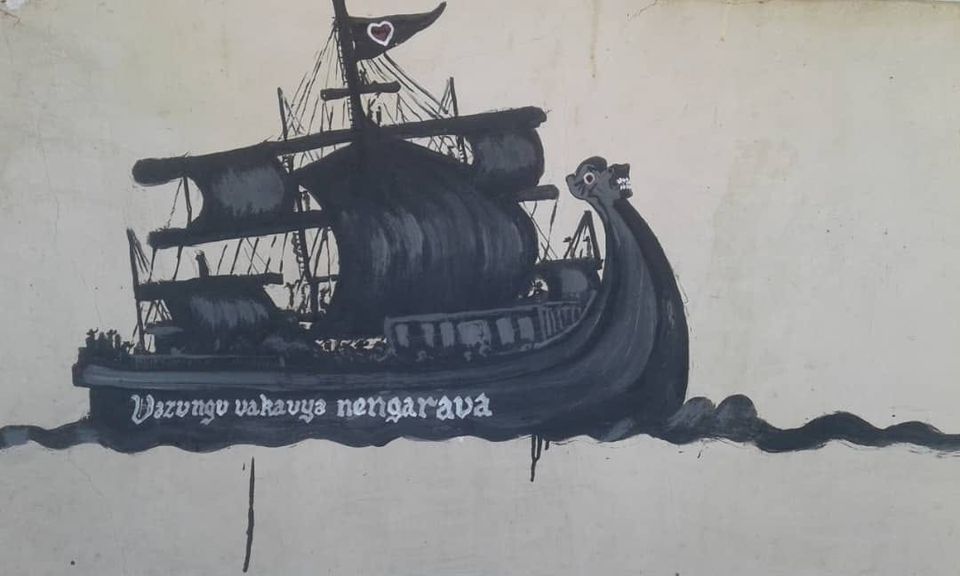
“Kuveya-Muroro, a half-baked Portuguese is believed to be the forefather of the Njanja people of present day Buhera district. His genealogy is traced back from 1822 where he migrated and settled in the rich iron deposit area. In fact, history reveals that, there was a brave and courageous man by the name Nemato of the Shiri totem who migrated from Basutoland and got a welcoming home at Bvumbura Hill. Nemato brave son Chirwa became famous and therefore established chieftainship in Bvumbura area and covering the areas of Nyazvidzi River, Magangara and Nharira. It is believed that, a group of people arrived in Chirwa’s dynasty under the custodianship of Mbiru. Mbiru and Chirwa people were connected through inter-marriages hence the group was assimilated and became one clan. Chief Chirwa married Mungu, a beautiful daughter of chief Mbiru. However, Portuguese traders under Kuveya landed in the area under Chief Chirwa. Unfortunately, Kuveya nicknamed Muroro fell sick to the extent that he was no longer able to do trading from point to point exchanging his products. Blessed with a loving and caring heart, Chief Chirwa instructed her daughter Mashawashe to take good care of Kuveya- Muroro. Aroused with Mashawashe beauty, Muroro impregnated the princess of Chief Chirwa. Fearing for her death Mashawashe decided to kill Kuveya-Muroro but fortunately Chief Chirwa got the news and demanded bride price from Muroro. Muroro took his trading goods and paid lobola to Chief Chirwa. This is how intermarriages integrated the Chirwa, Mbiru and kuveya- Muroro families.
Muroro and Mashawashe were blessed with a son called Neshangwe. It is imperative to note that, iron exploitation gave the Njanja people power to create a formidable territory. Their society was self-sufficient and sustaining. As it has been highlighted before, Muroro landed in the Rozvi ground and thus his son became famous to the extent of being recognised a chief by the Rozvi chief. It’s important to note that the relationship of Chief Chirwa and his nephew Neshangwe was close. Chief Chirwa is believed to have been taking his nephew, Neshangwe with him to the Rozvi courts, thereby making Neshangwe more popular at the courts than the real sons of Chief Chirwa. Upon Chief Chirwa’s death, Neshangwe was quick to be recognised as the new chief. Neshangwe was also popular as he was multi-skilled in iron smelting and hence had a lot of wealth. This culminated in him being installed the Njanja Chief. This is where a shift in chieftainship was recorded from Chirwa family to his nephew, Neshangwe family.
The installation of Chief Neshangwe created leadership wrangle from the sons of the late chief Chirwa. Neshangwe had the support of the Rozvi rulers, thereby leading to the detention of chief Chirwa sons and Neshangwe was given magic to use against possible attacks from the Chirwa people. The mission was accomplished and thus the majority of Chirwa people displaced leaving Chief Neshangwe being the custodian of the land. Chief Neshangwe retained the Rozvi totem as Moyo Chirandu but later changed his name to Chief Gambiza. Oral tradition reveals that, Chief Neshangwe-Gambiza married nine wives and his roots scattered within the area. Presumably, succession was managed well as it was from first family going down. Chief Neshangwe-Gambiza died leaving the legacy in the hands of his sons Makumbe and Chivese. Makumbe became chief and he dominated the area occupying the northern side whilst Chivese became chief occupying the southern side. Both are believed to have embarked on an expansionist policy beyond their spheres of influence. Chivese died leaving Chitsunge as the heir to the throne. Suffice to note that these Chiefs were polygamous and hence left many children in the society. Thus this prompted divisions within the Njanja people. Divisions rocked exposing Chief Makumbe and Chief Chitsunge. However, Chief Makumbe rose to become an independent leader with his group of people leaving Njanja to the south-east of Buhera district. On arrival, Chief Makumbe defeated the Dziva people under chief Nerutanga. Makumbe people as a result occupied the Hera dynasty and settled at Gombe Mountain. Chief Makumbe was also a polygamist with had fourteen wives and from those houses his children expanded forming their own villages.
Chief Makumbe and Chief Chivese became stronger and together conquered the Hera capital – present day Buhera. However, chieftainship wrangles were inevitable due to the polygamous nature of their family as the four sons of the pillar Muroro became more vicious and demanded to occupy the vast land of their ancestors. To date, the family of Makumbe is actively involved in the selection of chiefs, of course with the aid of spirit mediums and council of elders.”